
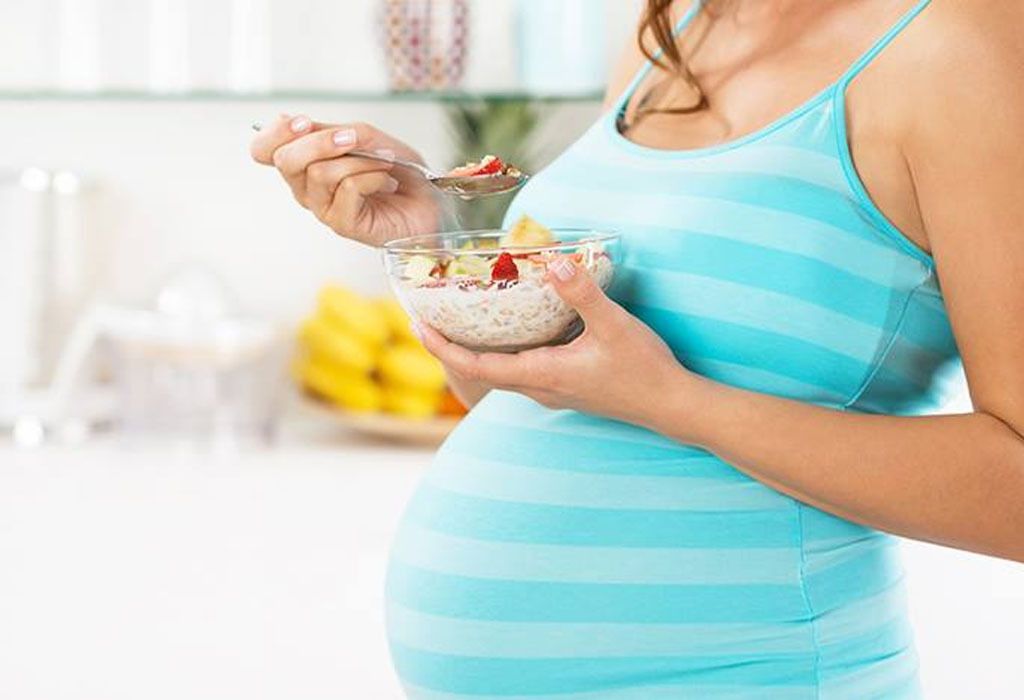
Pregnancy is a time of significant physical and emotional change—and your nutrition plays a major role in supporting both your health and your baby’s development. But with so much conflicting advice about what to eat, what to avoid, and whether dieting during pregnancy is safe, it’s easy to feel overwhelmed.
This article breaks down the essentials of eating well during pregnancy, how to manage weight safely, and the role food plays in a healthy pregnancy journey.
The short answer is: not in the traditional sense.
Pregnancy is not the time for restrictive dieting aimed at weight loss. Your body needs extra calories, nutrients, and energy to grow a baby and support the changes happening inside. However, mindful eating and healthy weight management are important—especially if you started pregnancy overweight, underweight, or with specific health conditions like gestational diabetes.
The goal should always be nourishment, not deprivation.
Healthy weight gain during pregnancy depends on your pre-pregnancy weight. According to general medical guidelines:
Your healthcare provider can help set a personalized target based on your body and baby’s needs.
A well-balanced pregnancy diet supports fetal development and helps prevent complications like anemia, constipation, preterm birth, and low birth weight.
Focus on nutrient-dense foods like:
Don’t forget to stay hydrated—aim for 8–10 cups of water per day.
High-mercury fish: Swordfish, king mackerel, and shark
And importantly: Avoid skipping meals. Regular, balanced meals help regulate blood sugar and keep both you and your baby energized.
Hormonal shifts can trigger strong cravings or emotional eating during pregnancy. This is normal—but it helps to recognize when you’re eating for stress relief rather than hunger.
Tips:
Pregnancy and food go hand-in-hand—your body is working overtime, and it needs nourishment to function at its best. While dieting in the traditional sense isn’t recommended during pregnancy, eating mindfully and choosing nutritious foods can support a healthier, more comfortable pregnancy for both you and your baby.
If you’re unsure about what or how much to eat, consult your healthcare provider or a prenatal dietitian for personalized guidance. Every pregnancy is unique—and so are your nutritional needs.