
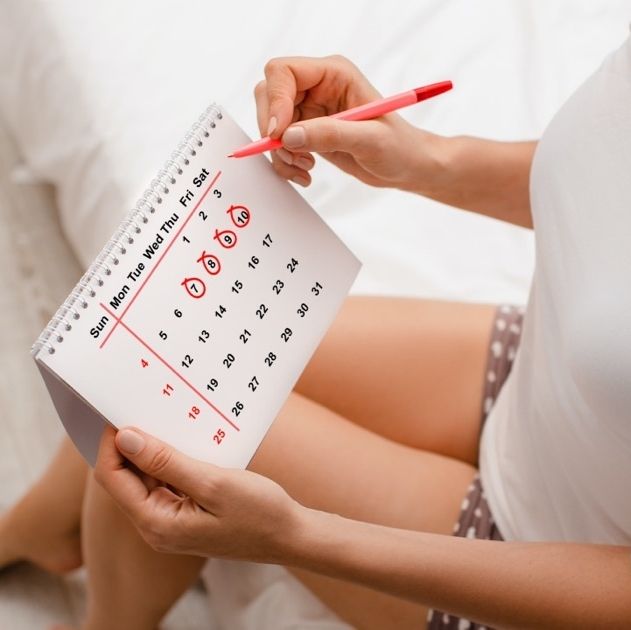
If you’re trying to conceive—or simply want to understand your cycle better—you’ve probably come across the terms ovulation and fertile days. While they’re closely related, they’re not quite the same thing. Let’s break it down in a way that makes it easier to understand.
Ovulation is the moment in your menstrual cycle when one of your ovaries releases an egg. This usually happens about midway through your cycle, though the exact timing can vary from person to person and even from month to month. Once released, the egg has a short window of opportunity: it can only survive for about 12 to 24 hours.
That’s a pretty small window of time, right? You might think that means there’s only one day a month when pregnancy is possible—but that’s not the full story.
While the egg may only live for a day, sperm are far more resilient. After ejaculation, sperm can survive in the female reproductive tract for up to five days. That means if you have unprotected sex a few days before ovulation, there could still be healthy, active sperm waiting when the egg is released.
When you take into account both the lifespan of the sperm and the egg, you end up with what’s called your fertile window—typically about six days. These are the days in your cycle when you have the highest chance of becoming pregnant if you have unprotected sex.
Knowing the difference between ovulation and fertile days can be empowering—especially if you’re trying to conceive. Rather than feeling pressure to “get the timing exactly right” on ovulation day, understanding your full fertile window gives you more flexibility to plan intercourse around your lifestyle, travel, or even just how you’re feeling that day.
This can also help reduce stress, which is something many couples experience when they’re trying for a baby. Instead of feeling like there’s just one shot each month, knowing that there are several days when conception is possible can take some of the emotional weight off the process.
Today, there are many tools available—from fertility tracking apps to ovulation predictor kits—that can help you identify your fertile window more accurately. These tools can be especially useful if your cycles are irregular or if you’re just getting to know your body’s natural rhythms.
In Summary:
By learning how your body works and recognizing your fertile window, you’re taking an important step toward fertility awareness—whether your goal is to conceive now, later, or simply understand your health better.